
Overview
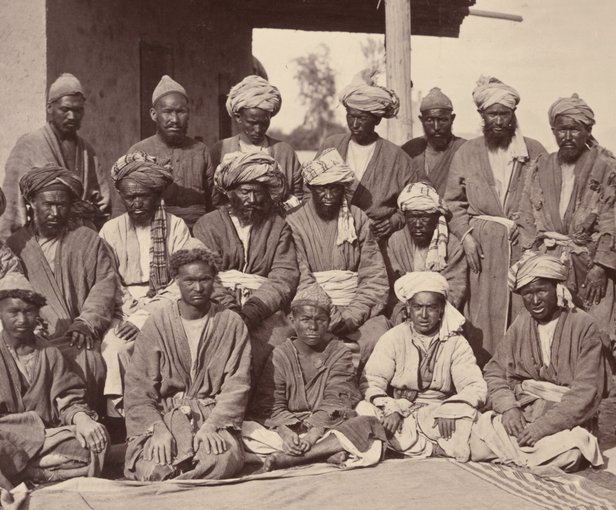
The Hazaras are one of Afghanistan’s major ethnic communities and are often described as the country’s third-largest ethnic group. Their traditional homeland is Hazarajat, the central highlands of Afghanistan, although significant Hazara communities live across the country and in the diaspora, including Pakistan, Iran, Europe, Australia, Canada, and the United States. Because Afghanistan has not conducted a transparent and inclusive national census, the exact size of the Hazara population remains uncertain.
The Hazaras speak Hazaragi, a dialect of Persian/Dari. Most Hazaras are Shia Muslims, including followers of the Jafari and Ismaili traditions, while Sunni Hazara communities also live in parts of northern, northwestern, and eastern Afghanistan. As both an ethnic and religious minority, Hazaras have historically faced discrimination, exclusion, forced displacement, and targeted violence.
Historical Background
The modern persecution of the Hazaras is often traced to the late nineteenth century, particularly during the rule of Amir Abdul Rahman Khan in the 1880s and 1890s. During this period, the Afghan state carried out military campaigns against Hazara communities, especially between 1891 and 1893. These campaigns resulted in mass killings, enslavement, forced displacement, land confiscation, destruction of villages, and the forced marriage or sale of women and children.
Historical accounts indicate that about 62 percent of the Hazara population was killed, displaced, or enslaved during this period. The consequences of these campaigns continued for generations and contributed to long-term patterns of political exclusion, economic marginalization, land loss, and social discrimination.
Language, Culture, and Identity
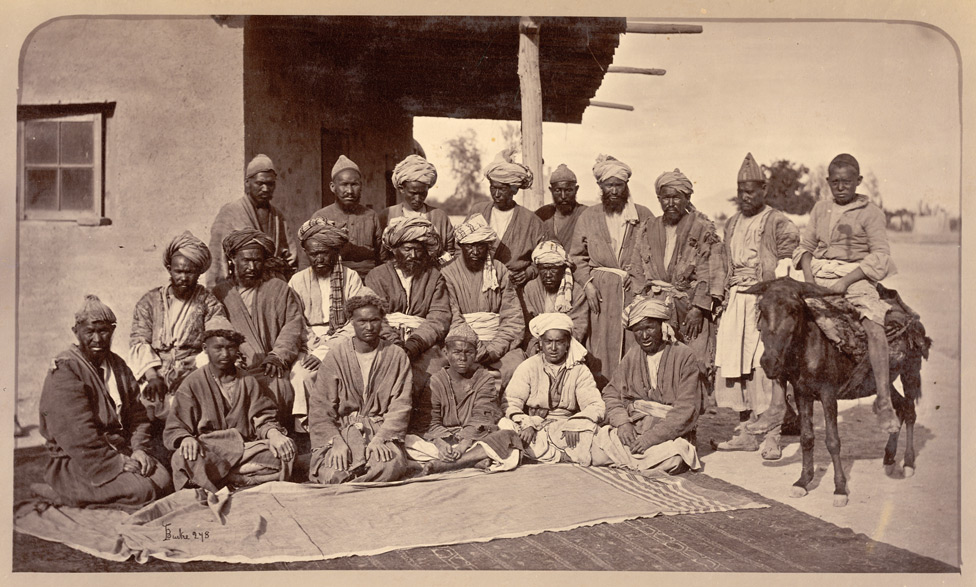
Hazaras have a rich cultural and historical heritage shaped by their language, traditions, oral histories, poetry, music, religious practices, community institutions, and experiences of migration and survival. Despite repeated periods of persecution, Hazara communities have preserved a strong sense of identity and collective memory.
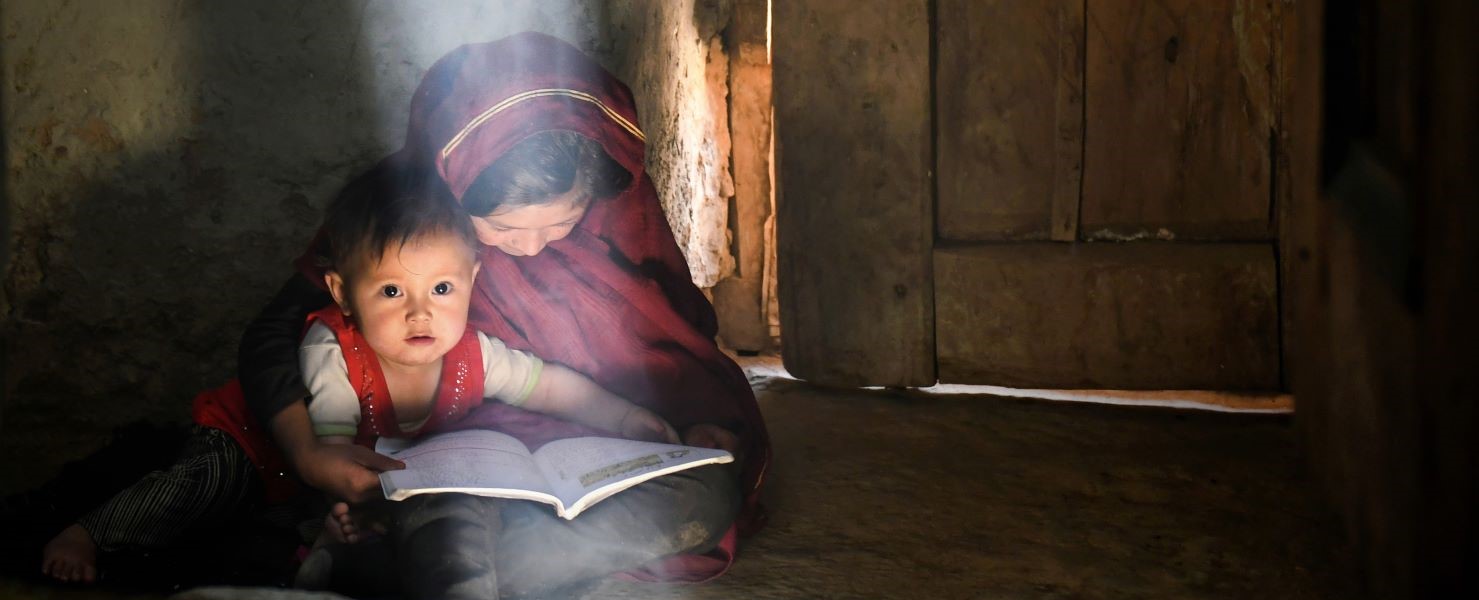
Education has become one of the most important pillars of Hazara social progress. Across Afghanistan and the diaspora, Hazara families have invested deeply in education, producing generations of students, professionals, researchers, artists, activists, and civic leaders.
Mass Atrocities and Human Rights
During the civil war and Taliban rule between 1992 and 2001, Hazaras suffered multiple massacres and serious human rights violations. The Afshar massacre in Kabul in February 1993 remains one of the most widely known examples, where large numbers of Hazara civilians were killed, disappeared, or subjected to abuse. During Taliban rule from 1996 to 2001, Hazara communities in central and northern Afghanistan also faced mass killings, persecution, forced displacement, and other atrocities.
After 2001, Hazaras became active participants in Afghanistan’s political, educational, and civic life. They took part in elections, civil society, media, education, public service, and women’s leadership. Hazara communities were widely recognized for their commitment to education, peaceful civic engagement, and democratic participation.
Despite these contributions, targeted violence against Hazara civilians continued. From 2002 to 2023, Hazara communities experienced hundreds of documented incidents of targeted violence, resulting in thousands of deaths and injuries. Attacks targeted schools, educational centers, maternity wards, mosques, sports clubs, weddings, funerals, peaceful protests, and public transportation routes.
Current Challenges
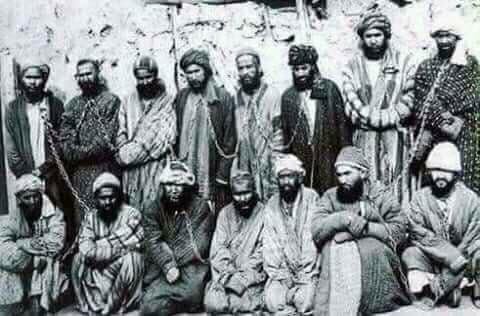
Since the Taliban returned to power in August 2021, Hazara communities have faced renewed insecurity, targeted attacks, forced displacement, restrictions on civic and political participation, and serious concerns regarding access to education, employment, public services, and basic rights.
Hazara women and girls have been especially affected by Taliban policies restricting education, work, movement, and public life. Hazara-populated areas also continue to face long-standing underdevelopment caused by unequal access to infrastructure, public investment, social services, and economic opportunities.
Resilience, Democratic Values, and Diaspora Advocacy
Despite generations of persecution and exclusion, Hazaras have made significant contributions to Afghanistan’s education, civil society, politics, culture, human rights, women’s leadership, and democratic development. Their commitment to education, civic participation, and inclusive governance remains central to their identity and public role.
The Hazara diaspora continues to play an important role in documentation, advocacy, cultural preservation, and support for victims’ families. Many Hazaras have been forced to seek refuge abroad due to insecurity and lack of protection, while continuing to advocate for justice, accountability, and equal rights.
HRP’s Role
In response to these historical and ongoing challenges, Hazara Resource Platform was established in the United States to support research, documentation, education, advocacy, and cultural preservation.
HRP works with researchers, academic institutions, nonprofit organizations, community leaders, survivors, victims’ families, philanthropists, and other stakeholders to document human rights violations, preserve Hazara history and culture, strengthen public knowledge, and promote justice, dignity, and democratic values.